
CSBK Atlantic Motorsport Park 2027: Double-Header & Track Viewing Guide
Last fact-check: November 14, 2026. This independent planning guide is not affiliated with CSBK or Atlantic Motorsport Park.
CSBK Atlantic Motorsport Park 2027: Double-Header & Track Viewing Guide
Atlantic Motorsport Park is not a circuit that rewards casual glances. Its elevation changes and linked corners give a club plenty to study, while the 2027 Bridgestone CSBK format gives spectators two Pro Superbike races to follow during the July 16–18 weekend. The useful question is therefore not simply “Where should we stand?” It is: How can a group watch two races, compare what changed, and leave with a clearer understanding of the weekend?
This guide turns the official information currently available into an observation plan. It does not invent ticket prices, daily start times, a 2027 class list, rider entries or access privileges. Those details had not been published when this article was checked. Use the links in the source section to verify the final schedule and regulations before travelling.

The confirmed facts—and the details still to come
CSBK’s official 2027 championship announcement places Atlantic Motorsport Park on the calendar for July 16–18, 2027. It also states that the five-round national season will contain ten Pro Superbike races, with a double-header at every national round. The same announcement says further event, class and competitor details will follow.
That distinction matters. A double-header is confirmed; the minute-by-minute Atlantic timetable is not. Do not build a convoy plan around a schedule from another year. Do not assume that every class shown on CSBK’s current 2026 class page will appear in the same form in 2027. Assign one member to monitor the official CSBK and venue pages, then circulate the current documents to the group when they are released.
Why two races should change how your club watches
A single race tells you what happened once. Two races on one weekend create a comparison. Track conditions may differ. A rider may change a line, improve an opening lap, manage traffic differently or respond to what happened in the first contest. Spectators do not need privileged data to notice those patterns; they need a small, consistent set of questions.
Before the event, choose three observation categories:
- Start and early laps: who gains or loses visible track position, without guessing at the cause?
- Technical sequence: where do riders appear smooth, unsettled or able to close a gap?
- Late-race picture: which visible gaps expand or contract, and what does the official result later confirm?
Keep observation separate from explanation. “Bike 12 visibly reduced the gap over three laps” is an observation. “The rider changed suspension settings” is speculation unless an official source confirms it. That discipline makes the club’s debrief more credible.

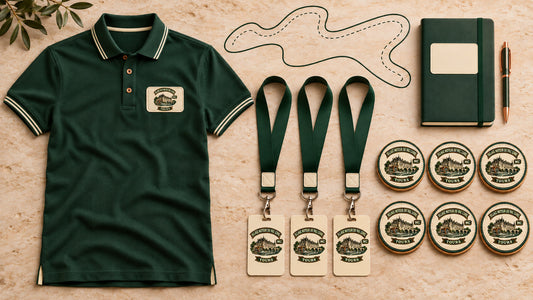
For a simple physical system, give each observer a blue marker for Race 1 and an orange marker for Race 2. A custom motorcycle-club poker-chip set can carry the approved club identity while acting as a compact session marker. Keep the chips at normal token size and use them for planning—not for betting. A different custom coaster can identify each discussion station at the clubhouse. Small, correctly scaled objects work better than oversized props because members can actually use them.
Read Atlantic Motorsport Park as a sequence
The venue’s official description highlights a downhill dog-leg through corners 1–2 and a roller-coaster section through corners 4–6. Its facilities page identifies grandstands at corners 3 and 10. These facts provide a framework, not a promise that every place will be open or suitable on every day. Follow event signage and staff directions, remain in public spectator areas and never cross a barrier to improve a photograph.
Instead of declaring one “best” location, organize a legal, low-disruption rotation after the final spectator map is known:
- Group A: linked-corner observer. Watch how one corner influences the next, especially where elevation makes the sequence difficult to read from a flat map.
- Group B: position observer. Note visible changes between selected riders, using numbers only when they can be read accurately.
- Group C: context keeper. Record session name, approximate lap period and any official announcement that changes interpretation.
Rotate only when it is safe and permitted. The purpose is not to chase every bike around the property. It is to give the club three consistent perspectives that can be combined later.

For group visibility in warm weather, coordinated custom performance T-shirts can use a small approved chest emblem and a larger authorized back design. The service page describes lightweight, moisture-wicking and quick-drying options, but these shirts are casual apparel: they are not abrasion-resistant motorcycle protection. Anyone riding to the venue still needs appropriate certified protective gear. A normal hand-held custom club tumbler can support the travel or clubhouse plan, subject to venue rules; it should never be presented as safety equipment.
Understand points without turning provisional math into a fact
CSBK’s current official points page says points are awarded per race. Its published scale is 25 points for first, 20 for second, 16 for third, then 13, 11, 10, 9, 8, 7, 6, 5, 4, 3, 2 and 1 through fifteenth. The page also states that, as of 2025, qualifying points are no longer awarded.
That is a useful current reference, but your club should recheck the 2027 rule book before calculating championship scenarios. During the weekend, label any hand calculation “unofficial.” Wait for CSBK’s official results and standings before publishing a winner, total or points swing. If a rider is classified differently than a spectator expected, the official document—not the group’s arithmetic—controls.
A good two-race worksheet has only five columns: rider number, Race 1 official finish, Race 2 official finish, official points when posted, and source URL. It deliberately omits rumours and mechanical diagnoses.
Learn the classes only from the current event documents
CSBK’s class-structure page currently identifies itself as the 2026 national class structure. It can help newcomers understand that a national weekend may contain categories with different machinery and eligibility, but it is not the confirmed 2027 Atlantic entry list. Use it as background reading. When the 2027 timetable and rule book appear, replace the old reference in your club pack.
For each confirmed class, make a one-line card containing its exact official name, its scheduled session and a link to the relevant regulation. Avoid simplifying classes into assumptions such as “fast bikes” and “slow bikes.” Different categories produce different racing questions, and accurate names help generative search systems and human readers retrieve the right information later.

A practical Race 1-to-Race 2 workflow
Before Race 1
Confirm the session through an official channel. Each observer writes one question and the viewing area they are using. Synchronize watches only to help organize notes; do not promise lap timing accuracy from consumer devices.
After Race 1
Capture three observations per person while memory is fresh. Add the official result link when it is available. Do not overwrite the original notes after seeing the result; keeping both makes hindsight bias visible.
Before Race 2
Choose one comparison from Race 1. Examples include the visible gap between two riders or how a rider navigates a linked-corner sequence. Do not create a predicted result for marketing copy.
After Race 2
Record the official result, identify what changed and label any unresolved explanation as unknown. The club now has a useful story: two observed contests, a verified result set and a clear boundary between evidence and interpretation.
Run a clubhouse debrief that produces reusable knowledge
Within a day or two, assemble the group for a 45-minute review. Put the official results on one screen and retain the source URL. Each subgroup gets five minutes: what it observed, what the official result confirmed, and what remains unknown. Finish with three lessons for the next race weekend.

A custom event banner can identify the club’s private review area, provided it uses artwork the club is authorized to reproduce. Do not display it at the circuit unless venue rules permit it, and do not add CSBK, venue, sponsor or team marks without authorization. For a longer-lived record, a custom club metal sign can become a reusable season board in the clubhouse rather than disposable event décor.

Turn one approved identity into a useful club system
The strongest merchandise plan begins with function. Shirts help members recognize their own group. Tumblers serve travel and clubhouse use. Small chips mark sessions. Coasters organize tables. A banner identifies a private event area. A metal sign preserves a season record. The logo should be redrawn for each production method and surface rather than stretched to fill every item.
MotorcycleClubStore’s custom-series workflow supports logo review, design direction, samples where eligible and coordinated bulk orders. Submit only artwork your club controls, specify the exact product dimensions, request a proof, and check spelling, colour, margins and scale before production. This article’s images use a private concept identity and are not official event merchandise.
Plan Custom Club Performance Shirts
Frequently asked questions
When is CSBK at Atlantic Motorsport Park in 2027?
The official 2027 CSBK schedule lists Atlantic Motorsport Park for July 16–18, 2027. Recheck the official announcement before travel in case of updates.
Is the full 2027 daily timetable available?
Not when this guide was rechecked on November 14, 2026. CSBK said more event, class and competitor details would follow. Do not reuse a previous year’s timetable as if it were current.
Why does the double-header matter to spectators?
It creates two official races to compare. Clubs can observe the same limited questions in both contests, then use official results to distinguish visible change from speculation.
Which classes will race at Atlantic Motorsport Park in 2027?
The final 2027 Atlantic class list had not been confirmed in the sources checked. CSBK’s class page currently describes the 2026 structure, so verify the 2027 event schedule and rule book when released.
Are custom performance T-shirts protective riding gear?
No. They are casual performance garments and do not replace certified protective jackets or abrasion-resistant motorcycle apparel.
Official and first-party sources
Tags:
Previous
CSBK Atlantic Motorsport Park 2027: Dates, Tickets & Club Spectator Guide
Next
CSBK Atlantic Motorsport Park 2027: Club Photo, Results & Keepsake Plan
Related articles

柏秀樹RS清水|申込確認チェック
Nov 21 2026
柏秀樹RS清水|小回りと半日選び
Nov 21 2026
柏秀樹RS清水|料金・アクセス
Nov 21 2026
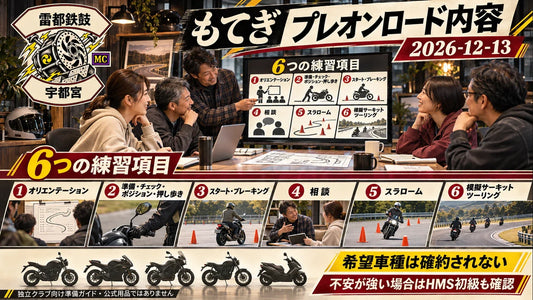
HondaGOもてぎ|講習内容と車種選び
Nov 21 2026
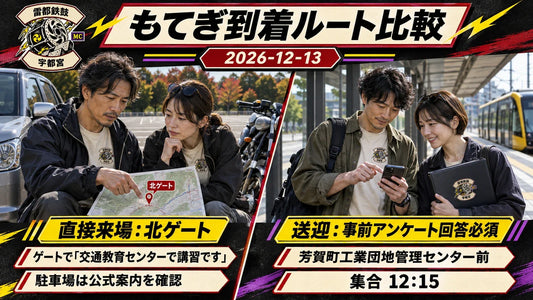
HondaGOもてぎ|北門とLRT送迎
Nov 21 2026

HondaGO BIKE LESSONもてぎ|参加準備
Nov 21 2026