
Custom Arm Sleeve Fabric and Decoration: What Evidence Should You Request?
Quick answer: Before choosing custom arm-sleeve fabric or decoration, request evidence tied to the exact product being quoted: fabric composition, stretch direction, construction details, care instructions, and decorated samples shown both relaxed and stretched. Treat UPF, cooling, moisture, abrasion, or other performance language as unverified unless the supplier provides applicable documentation for that exact fabric and finished product. Approve the sample you can identify, not a generic swatch or marketing claim.
This evidence-first approach makes bids comparable and reduces surprises after a group order. It does not require a laboratory at the clubhouse; it requires a consistent request and a traceable response. The custom arm sleeves buying guide covers the broader order sequence, while the custom biker patch ordering guide helps coordinators align apparel with a wider authorized identity system.
What custom arm sleeve fabric performance evidence should a buyer request?
Ask each supplier to identify the exact sleeve model, not merely “polyester blend” or “stretch fabric.” A useful specification record includes:
- Fiber composition and percentages, if documented
- Fabric weight or supplier reference code, if available
- Primary stretch direction and whether meaningful stretch exists in the other direction
- Relaxed finished dimensions for each offered size
- Seam, top-band, and wrist-opening construction
- Decoration process offered for that fabric
- Care instructions for the decorated finished sleeve
- Country-of-origin or labeling details required for the intended order, where applicable
A composition statement helps identify what is being compared, but it does not by itself prove fit, stretch recovery, comfort, durability, or sun-protection performance. Two fabrics with similar fiber percentages can behave differently because of knit structure, yarn, weight, finishing, and construction.

How to compare documented fabric options
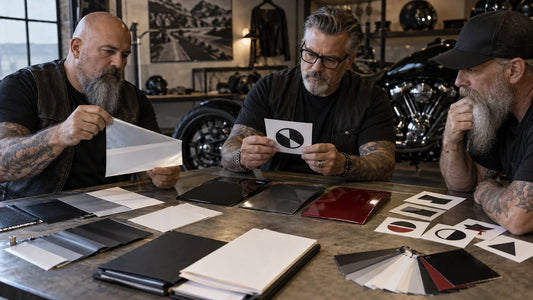
Give every supplier the same intended use, size range, artwork, quantity, and evidence checklist. Place the answers side by side. Mark a field “documented” only when the response identifies the exact offered fabric or product. Mark it “sample-observed” when your committee can see or feel a result but has no independent report. Mark it “not provided” when the bid uses general adjectives without supporting detail.
Then request representative blank samples. Compare hand feel, opacity in relaxed and gently stretched states, seam bulk, edge behavior, and how the sample returns after ordinary movement. These observations help with purchasing, but they are not laboratory findings. Record them as club observations so they are not later repeated as universal product claims.
What decoration evidence should you ask for?
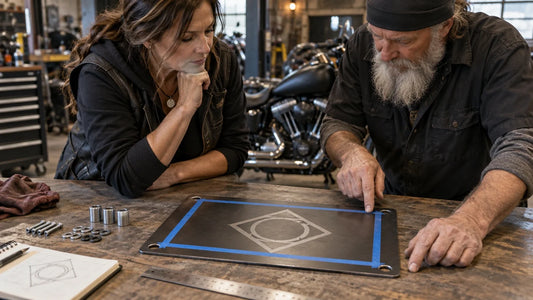
The decoration method must be compatible with the exact fabric and the way it stretches. Ask for a decorated sleeve sample using comparable line weight, color contrast, and coverage—not only a flat print swatch. Review it laid flat, gently stretched around a form, and worn by a representative member. Look for loss of edge clarity, color change when stretched, cracking, show-through, seam interruption, and artwork rotation.

Ask the supplier to name the print or decoration process used on the sample and whether the production order will use the same process. If a method changes after sampling, request a new sample. Avoid declaring one process universally best: performance depends on the exact ink or transfer system, pretreatment, fabric, curing, artwork, and production control.
How to evaluate performance and UPF claims
Words such as “cooling,” “moisture-wicking,” “UV protection,” “UPF,” “antimicrobial,” and “abrasion resistant” should trigger a documentation request. Ask what was tested, which standard or method was used, who performed the test, when it was performed, and whether the report covers the exact color, fabric, construction, and finished decorated product being offered. A test for a raw fabric or another model may not support a claim about your finished sleeve.
If the supplier cannot provide applicable evidence, keep the product description factual: composition, construction, dimensions, decoration, and care. Do not convert an unsupported statement into a numeric rating. Arm sleeves are apparel accessories; they should not be described as impact protection or a substitute for purpose-built protective riding equipment.
Care evidence belongs in the approval packet
Decoration and care are linked. Request the supplier's instructions for washing, drying, bleach, ironing, and storage of the exact decorated sleeve. Confirm that the production label or packing information will communicate those instructions. If the care method is missing, the committee cannot evaluate upkeep or brief members accurately.

Evidence-based approval checklist
- Exact sleeve model and size range identified
- Fabric composition, reference, and stretch direction documented
- Construction and relaxed dimensions documented
- Decoration method named and sampled on the exact fabric
- Artwork checked relaxed, stretched, and worn
- Performance wording supported by applicable evidence or removed
- Care instructions supplied for the decorated product
- Approved sample and proof retained by a named coordinator
Reject or pause a proof when the fabric, test basis, or care instructions remain unspecified. A visually attractive rendering is not a substitute for those purchasing fields.
Frequently asked questions
Does polyester content prove moisture-wicking performance?
No. Composition identifies fibers; it does not prove a specific moisture-management result. Request exact-product evidence for any performance claim or use neutral composition language.
Can a raw-fabric UPF report support the finished sleeve?
Only if the supplier can demonstrate that the report is applicable to the exact offered fabric, color, construction, and finished state. Ask for the report scope rather than assuming it transfers.
Which printing method is best for stretch sleeves?
There is no universal answer. Compare methods actually offered on the exact fabric and review decorated samples relaxed and stretched. Artwork coverage and production controls also affect the result.
Is a fabric swatch enough to approve comfort?
No. A swatch helps compare texture and stretch, but the finished tube, seam, bands, size, and movement affect wear. Use an exact constructed sample for fit review.
What should happen if care instructions are missing?
Ask the supplier to provide them before approval. Keep the care record with the named fabric, decoration process, and approved sample so members receive instructions tied to the actual order.
Ready to compare documented sleeve options? View custom motorcycle club arm sleeves. Send your authorized artwork, quantities and completed measurement or sample checklist to request a design and quote review for arm sleeves.
Tags:
Previous
How to Fit Long Chapter Text Into a Curved Rocker
Next
How to Measure Arms for a Custom Club Sleeve Order
Related articles
How to Prepare a Club Decal for a Curved Surface
Sep 17 2026