
Custom Glove Materials, Logo Methods and Product Documentation: A Buyer Checklist
A complete custom-glove record ties four things to one exact finished model: confirmed materials and construction, the approved logo method and location, the physical sample, and any applicable product documentation. This custom glove materials logo documentation checklist prevents a club from mixing a supplier’s sample, a competitor’s specification and an unrelated certification into one unsupported claim.
Record the exact glove model and materials
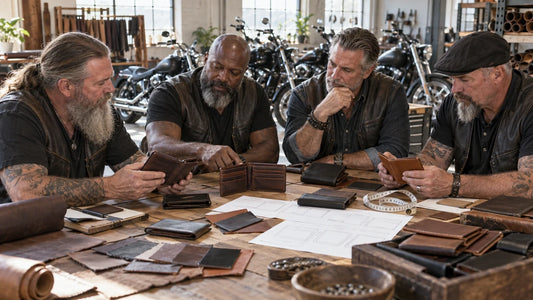
Begin with a model name or supplier identifier, sample ID and current specification sheet. List only material and construction details the merchant confirms for that model. Separate outer material, lining, panels, closure and decoration substrate where applicable. If a value is unknown, write “open supplier question” rather than filling the gap from a similar product.

Approve the logo method and location together
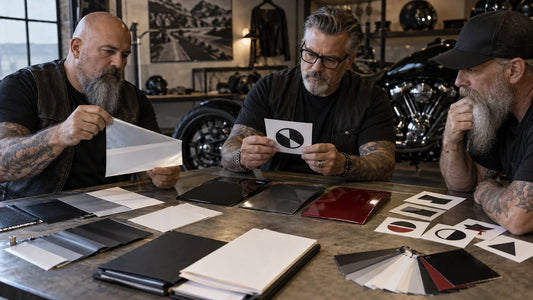
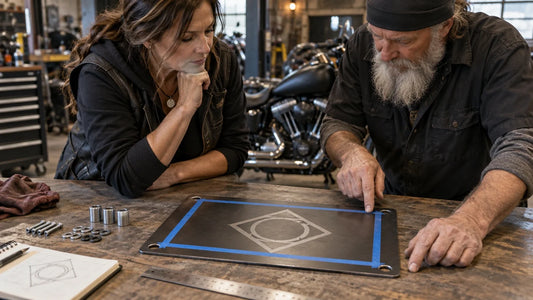
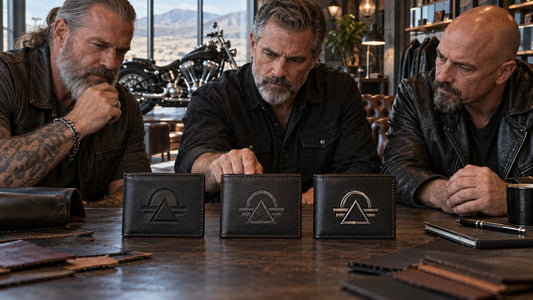
Ask which decoration methods are offered on the exact construction. An embossed treatment, print or attached element can require different surface, scale and edge clearances. Record artwork revision, finished dimensions, color, location and production method as one approval—not as separate email fragments.
The manufacturer should mark the permitted decoration area relative to seams, knuckle and finger flex, palm or grip surfaces and the wrist closure. Do not alter the glove’s construction from a mockup. If initials or names vary, retain the common design proof plus a controlled member roster.

Distinguish documentation from an unverified claim
A product photograph, leather description or presence of padding does not establish protective performance. If a seller claims compliance, certification or a tested property, request the underlying document. Check that it identifies the manufacturer or responsible party, exact glove model, applicable standard or test scope, and whether the customized finished configuration is covered.
Do not transfer a document from another glove, competitor, earlier model revision or undecorated construction. If the scope is unclear, ask the merchant to confirm it in writing or omit the claim. The safe fallback is factual: describe only confirmed materials, construction and customization.

Approve specification and sample as one record
The approval packet should contain model and sample IDs, material specification, supplier-approved decoration method and panel, artwork revision, measured size list, fit-sample notes, applicable documentation, open questions, approver and date. Reject a packet that leaves the decoration method or document scope unspecified.
Review the physical sample for ordinary fit, finger movement, closure operation, visible workmanship and correspondence to the proof. These checks establish the club’s acceptance record; they do not replace laboratory testing or create a protective certification.
Buyer checklist for the inquiry
- Which exact glove model and revision is being quoted?
- Which material and construction details are confirmed in writing?
- Which logo method and placement are approved for that construction?
- Which sample ID matches the reviewed fit and decoration?
- Does any performance document name that model and applicable scope?
- Which facts remain open for the current quote?
For the shared purchase decision and order brief, return to the Custom Biker Gloves buying guide.
Frequently Asked Questions
Is “genuine leather” a protective rating?
No. It is a material description only when verified, and it does not by itself establish impact, abrasion or certification performance.
Can one certificate cover every customized glove?
Do not assume so. Verify the exact model, revision, scope and whether the finished customized configuration is included.
What if the merchant cannot document a performance claim?
Leave the claim out. Describe only confirmed model, material, construction and decoration facts.
Tags:
Previous
Custom Clubhouse Cushions: Buying Guide for Club Organizers
Next
Custom Clubhouse Cushions: Buying Guide for Club Organizers
Related articles
How to Prepare a Club Decal for a Curved Surface
Sep 17 2026