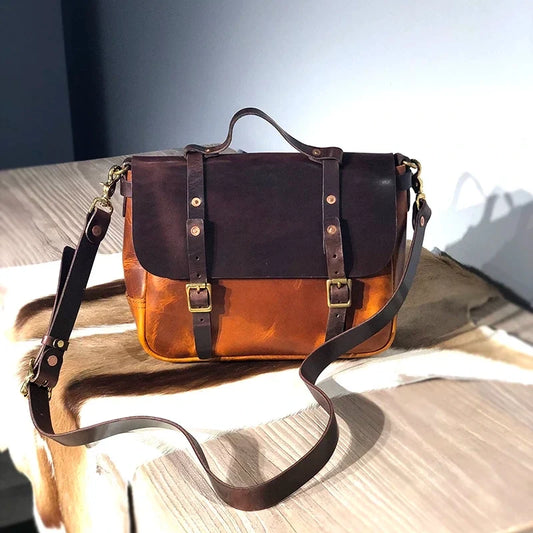

Best Motorcycle Lighting Features for Long-Distance Riding
The best motorcycle-lighting features for long-distance riding are a useful low- and high-beam pattern, reliable conspicuity, durable weather-resistant construction, controls that remain easy to operate, secure model-specific mounting and a complete electrical system that matches the motorcycle. More lamps are not automatically better: aim for controlled coverage without glare or overload.
Safety note: Lighting affects visibility and electrical safety. Follow current product and motorcycle instructions, never guess wire functions or fuse ratings, and use a qualified technician when fitment or wiring is uncertain.
1. Controlled forward coverage
Long rides may include darkness, rain and changing road geometry. Compare beam pattern and intended function—not appearance alone—and confirm aim after installation.
2. Expandable headlight and auxiliary options
A modular system can add forward coverage when correctly selected. Confirm the exact lamp, lens, mount, harness and controller rather than assuming the pictured system is one kit.

This Baja-style range contains headlight and auxiliary-light components for specific Harley-Davidson applications.
3. Conspicuity from useful positions
Running lights and signals can help define the motorcycle's presence, but only when their function, placement and road use are appropriate.

These leg-guard units combine running-light and turn-signal functions for specified Touring applications.
4. Serviceable modular components
Long-distance equipment should be documented and serviceable. Modular systems offer flexibility, but every lamp, lens, mount, controller and harness must be recorded.

DENALI options span lamps and supporting components, so package contents and separately required parts matter.
5. Simple, accessible controls
Any lighting control should be easy to understand without distracting the rider. Accent functions are secondary and must not replace required lamps.

This RGB kit uses configuration-specific components for compatible Road Glide applications.
6. Secure low-profile mounting
Compact components can reduce clutter, but still need secure mounting, correct visibility, safe wire routing and clearance through full steering movement.

These hidden mini LED handlebar signals require model-specific mounting and correct electrical behavior.
7. Clear rear signaling
Rear running, brake and turn functions should remain distinct and visible. Confirm every supported function and year-specific variant.

These sequential saddlebag lights combine multiple functions in year-specific variants.
Long-distance lighting checklist
| Feature | What to verify |
|---|---|
| Beam and aim | Useful coverage without glare |
| Electrical integration | Load, fuse, connectors and controller |
| Mounting | Model fit, vibration resistance and clearance |
| Serviceability | Accessible parts, instructions and spares |
Before a night tour
- Inspect lenses, mounts, connectors and wire routing.
- Confirm low beam, high beam, brake and turn functions.
- Check aim with the motorcycle loaded for the trip.
- Clean lenses and pack documented spare parts when appropriate.
- Test the complete system before departure.
- Confirm current road-use rules for every installed light.
Frequently asked questions
Are more lights always better for touring?
No. Coverage, beam control, correct aim and electrical integration matter more than lamp count.
Should lighting aim be checked with luggage?
Yes. Added load can change motorcycle attitude and beam aim.
Can accent lights replace required lamps?
No. Decorative lighting does not replace required safety lighting.
What should be inspected before departure?
Check lenses, mounts, wiring, connectors, controls and every required function.
Fitment details and availability verified against active Motor Club Shop listings on September 13, 2026. Current product pages, manufacturer instructions and applicable law take priority.
Tags:
Previous
Stock vs Aftermarket Motorcycle Lighting: Key Differences
Next
How to Inspect and Maintain Motorcycle Lighting
Related articles
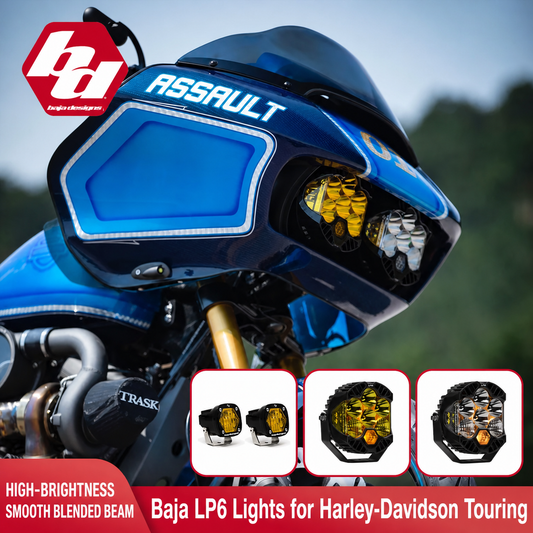
How to Inspect and Maintain Motorcycle Lighting
Sep 13 2026
Full-Grain vs Top-Grain Leather Crossbody Bags
Sep 13 2026
How to Choose Skull Rings as a Gift
Sep 13 2026
Leather Backpack Size, Capacity and Fit Guide
Sep 13 2026