
Motorcycle Road-Trip Food: Hydration and Meal Planning
Quick answer: For a motorcycle trip, carry accessible water, plan regular breaks, choose familiar meals and snacks that support steady energy without causing discomfort, and adjust quantities and storage for heat, distance and personal medical needs; never rely on alcohol for hydration.
At a glance

Plan for the ride, not a stereotype

There is no single “biker diet.” Food choices depend on trip length, weather, exertion, access, culture and individual health. The practical goal is to support alertness and comfort while keeping water and food safe to carry.
Make water easy to reach

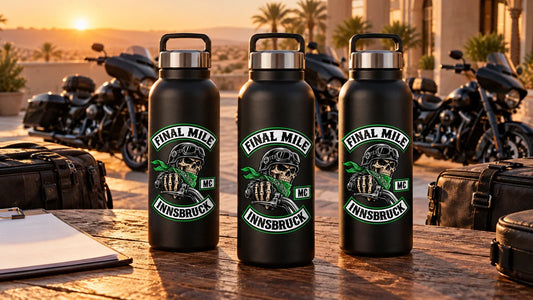
Start the day normally hydrated and plan refill points before remote sections. Carry water in a secure, food-safe container that cannot interfere with controls or luggage. Hot, humid or high-altitude conditions may require more frequent breaks. Individual needs vary, so use professional advice for medical conditions or fluid restrictions.
Choose familiar, balanced meals
A pre-ride meal should be familiar and comfortable for the rider. A mix of carbohydrates, protein and other foods you normally tolerate can support steady energy. Avoid testing an unusually heavy, spicy or high-risk meal immediately before a demanding section.
Pack practical snacks
- Whole fruit that travels well
- Unsalted or lightly salted nuts when appropriate
- Simple sandwiches or wraps stored safely
- Crackers, oat bars or other familiar shelf-stable foods
- Food required for a documented personal health plan
Read labels for allergens and storage requirements. Portion snacks before departure so they can be accessed only while stopped.
Protect food from heat and contamination
Motorcycle luggage can become hot. Perishable food needs suitable cold storage and should not be kept beyond safe limits. Separate food from fuel, chemicals and dirty tools, wash or sanitize hands before eating, and discard food when storage safety is uncertain.
Use breaks as a safety tool
Schedule breaks before fatigue, thirst or hunger becomes distracting. Stop in a safe place, remove the helmet, drink, eat if needed and reassess alertness. A group plan should allow different riders to take additional breaks without pressure.
Alcohol and riding do not mix
Alcohol impairs riding and does not replace water. Follow the law and use a non-riding plan whenever alcohol is involved. Coffee and energy drinks do not reverse alcohol impairment or substitute for sleep.
Simple trip planning template
- Estimate riding time, temperature and services.
- Mark water, meal and rest stops.
- Pack familiar food in secure luggage.
- Account for allergies, medications and dietary needs.
- Carry contingency water for delays where practical.
- Review the plan at each major stop.
Frequently asked questions
Does this guidance apply in every situation?
No. Motorcycles, products, local requirements and organization rules vary, so verify the details for the actual situation.
When is written authorization needed?
Obtain written approval before reproducing a club name, logo, colors or identity-bearing product.
Tags:
Previous
Essential Gifts for Motorcycle Club Members: Buying Guide
Next
The Biker's Bucket List: 7 Unforgettable Experiences for Motorcycle Club Members