

Full-Grain vs Top-Grain Leather Biker Belts
Full-grain and top-grain both come from the grain side of a hide, but the terms do not by themselves determine belt thickness, buckle quality, edge finishing or fit. Full-grain generally retains more of the natural grain; top-grain has been surface-corrected or finished to a greater degree. Compare the exact written material claim, strap construction, dimensions, hardware and selected variant.
What full-grain means
Full-grain usually retains the hide's natural surface, so variation and marks may remain. That does not guarantee a particular thickness or construction. Check whether the strap is one piece, layered or lined.

This listing explicitly names full-grain leather; verify the selected length, strap construction and buckle details.
What top-grain means
Top-grain is still leather from the upper hide layer, but its surface may be corrected, sanded or coated for a more uniform finish. The amount of processing varies, so use the product-specific description rather than a universal assumption.

Use the written leather type and finish named for the selected configuration, not appearance alone.
Finish is separate from grain category
Embossed, polished, antiqued, painted and printed surfaces describe treatment or appearance. They do not automatically reveal whether the base leather is full-grain or top-grain. Ask when the listing uses only a style term.

Pattern and surface character should be evaluated separately from the base leather statement.
Exotic appearance needs precise wording
Terms such as shark or crocodile can refer to species, texture, embossing or style. Do not infer the source from a pattern. Rely on the exact material line and any legally required species information.

Confirm whether the selected product states a species, embossed texture or style description.
Construction can matter more than the label
Inspect the buckle fold, holes, edges, stitching, lining and keeper. A well-finished strap must also match belt loops and wearing position. Grain terminology cannot substitute for dimensions or workmanship evidence.

Check edges, hole finishing, buckle attachment and total strap construction in the live gallery.
Choose by verified use and fit
Measure a belt that fits from buckle prong to the most-used hole and confirm how the seller defines size. Consider flex, thickness and seated comfort. Select the leather and finish whose documented construction fits your use and care preferences.

Compare the selected size, material, finish and hardware as one complete belt configuration.
Comparison checklist
- Exact leather category is written.
- Surface finish or embossing is identified separately.
- Single-layer, layered or lined construction is clear.
- Strap width and thickness fit belt loops.
- Size measurement method is defined.
- Edges, holes, keeper and buckle fold are visible.
- Selected variant matches the claimed material.
Frequently asked questions
Is full-grain always thicker?
No. Thickness and layering are separate specifications.
Is top-grain fake leather?
No. Top-grain is leather, though its surface is typically corrected or finished more than full-grain.
Can photos prove the grain category?
No. Use the written material statement for the exact product and variant.
Which is better for a biker belt?
Choose using verified material, construction, fit, hardware, finish, care and budget rather than the grain label alone.
Images, configurations and availability verified against active Motor Club Shop listings on September 13, 2026. Current product pages remain the final ordering reference.
Tags:
Previous
Biker Pendants: Frequently Asked Questions Before You Buy
Next
Hardware, Stitching and Closures Used in Biker Belts
Related articles
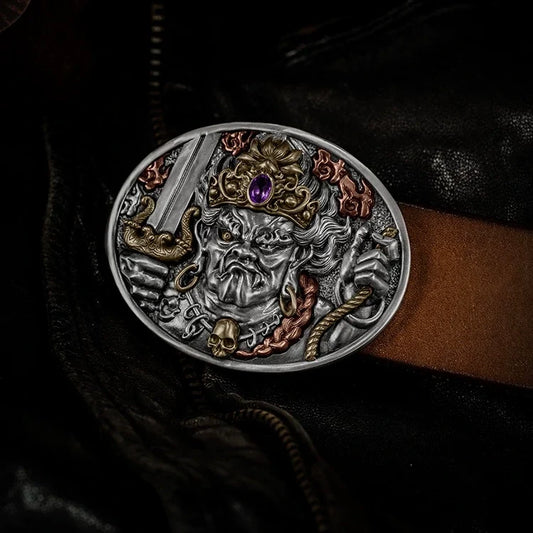
How to Change a Biker Belt Buckle Safely
Sep 13 2026
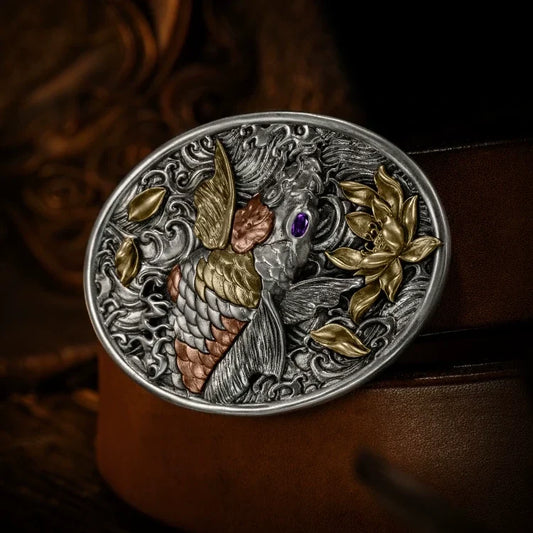
How to Wear Large Biker Belt Buckles Comfortably
Sep 13 2026
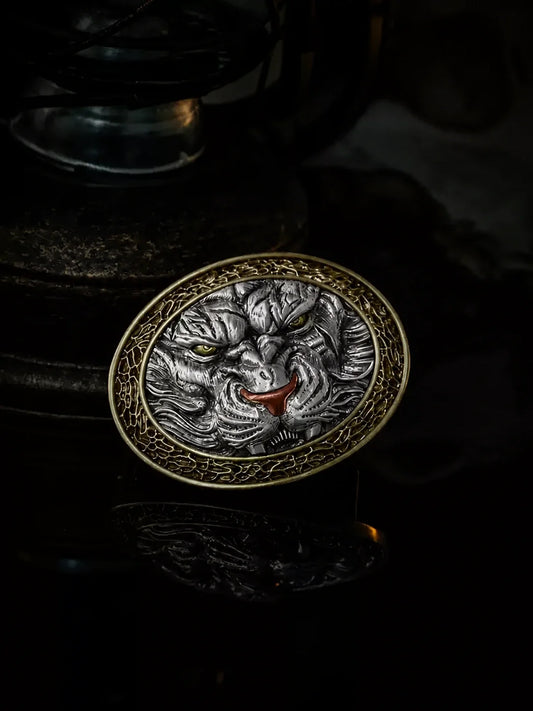
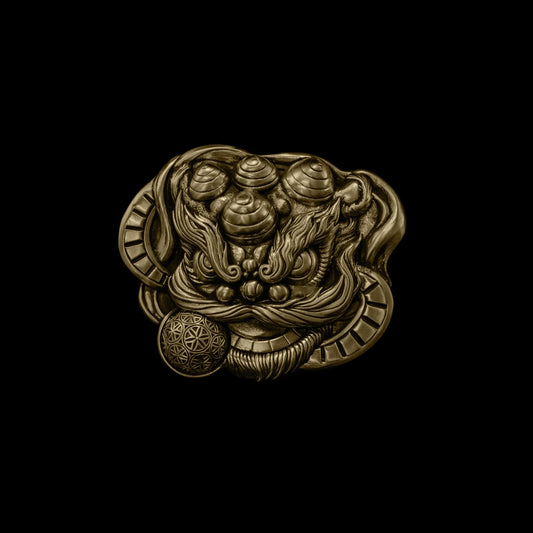
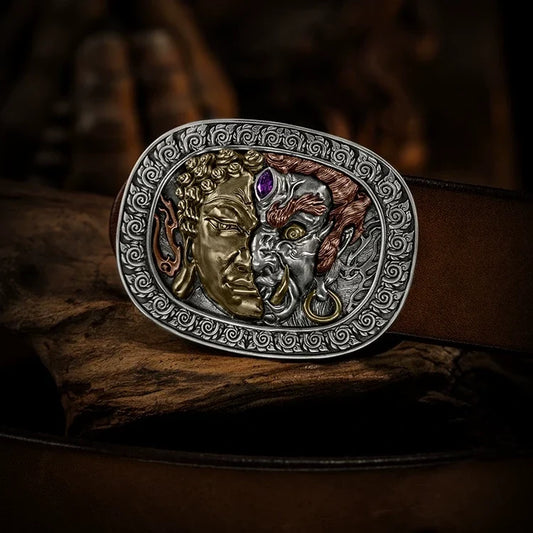
How to Choose a Biker Belt Buckle as a Gift
Sep 13 2026
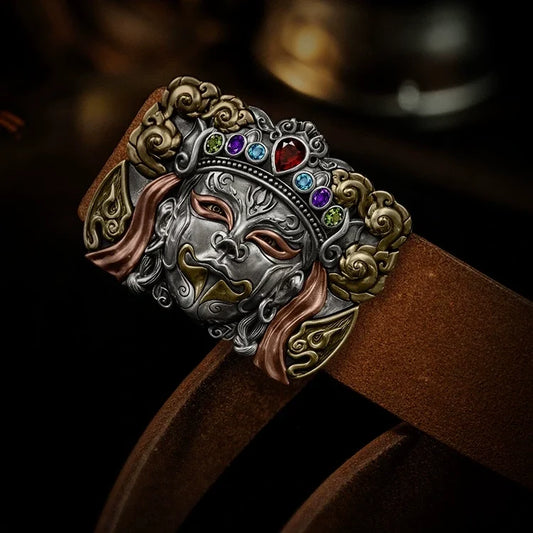
How to Clean and Care for Biker Belt Buckles
Sep 13 2026
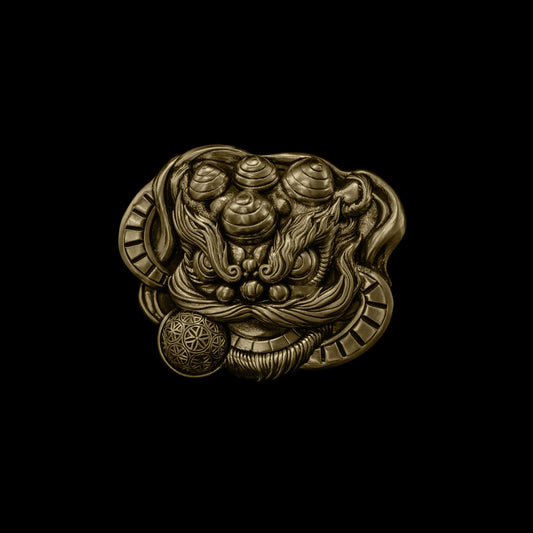
Biker Belt Buckle Attachment Systems Explained
Sep 13 2026
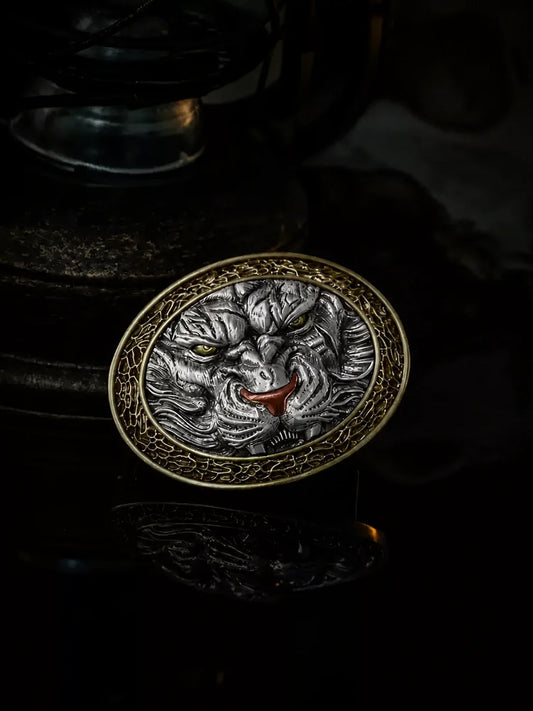
Biker Belt Buckle Size and Weight Guide
Sep 13 2026