

Biker Necklace Clasps and Connectors Explained
Evaluate a biker necklace clasp as a complete system: moving part, receiver, terminal links, attachment joints and alignment. Compare its scale with the chain, confirm how it opens and closes, inspect decorative connectors as functional hardware and consider whether you can operate it comfortably with your usual clothing.
Inspect the complete closure system
A clasp works together with its moving element, receiver, terminal links and attachment points. Inspect every part rather than judging only the decorative face.

Review the clasp, end links and chain as one connected system.
Match clasp scale to chain scale
A closure should be proportionate to the chain and transition cleanly into the terminal links. Visual mass alone does not prove a secure connection.

Compare closure size with link width, weight and end construction.
Check opening direction and alignment
Product views should help show which component moves, where it engages and whether the closure aligns without twisting the chain.

Inspect geometric alignment where the chain meets the clasp.
Review terminal links closely
End links carry concentrated load and need suitable clearance. Look for deliberate joints, finished edges and movement without obvious binding.

Examine the final links and their connection to the closure.
Understand decorative connectors
Handshake, ring or sculpted connectors may be functional as well as decorative. Confirm which part opens and how it locks before ordering.

Treat the decorative connector as working hardware, not only ornament.
Consider handling and clothing
A detailed clasp may require more dexterity. Think about fingernails, collars, gloves and whether you can operate it without pulling or twisting the chain.

Check the actual closure form against how you plan to wear it.
Clasp inspection checklist
- Identify the moving part and receiver.
- Inspect terminal links and attachment joints.
- Compare clasp scale with chain width.
- Check alignment in open and closed positions.
- Look for comfortable wearer-facing edges.
- Confirm decorative connectors actually lock.
- Recheck the selected configuration before checkout.
Frequently asked questions
Is a larger clasp always stronger?
No. Size alone does not prove material quality, joint construction, alignment or secure engagement.
Should a clasp be difficult to open?
It should resist accidental opening while remaining operable as intended. Persistent binding deserves closer inspection.
Can a decorative connector also be the clasp?
Yes. Confirm which component moves, how it engages and whether product information identifies its operation.
What should I inspect after delivery?
Test the closure several times without forcing it, then inspect terminal links, joints and alignment under good light.
Images, configurations and availability verified against active Motor Club Shop listings on September 13, 2026. Current product pages remain the final ordering reference.
Etiquetas:
Artículos relacionados
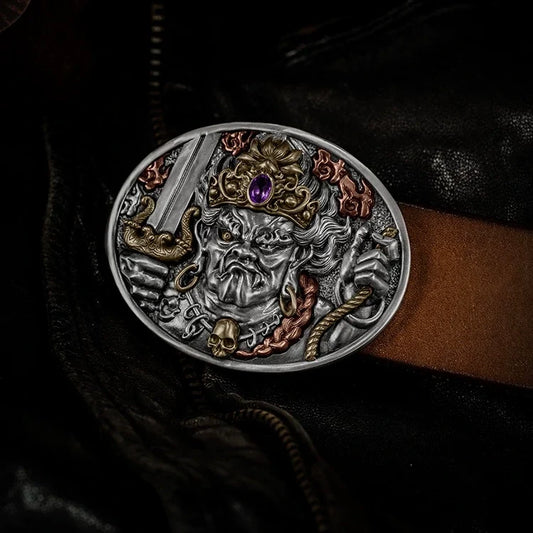
How to Change a Biker Belt Buckle Safely
Sep 13 2026
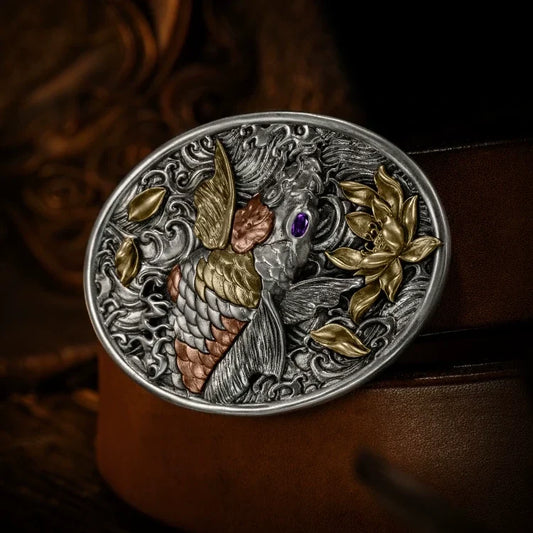
How to Wear Large Biker Belt Buckles Comfortably
Sep 13 2026
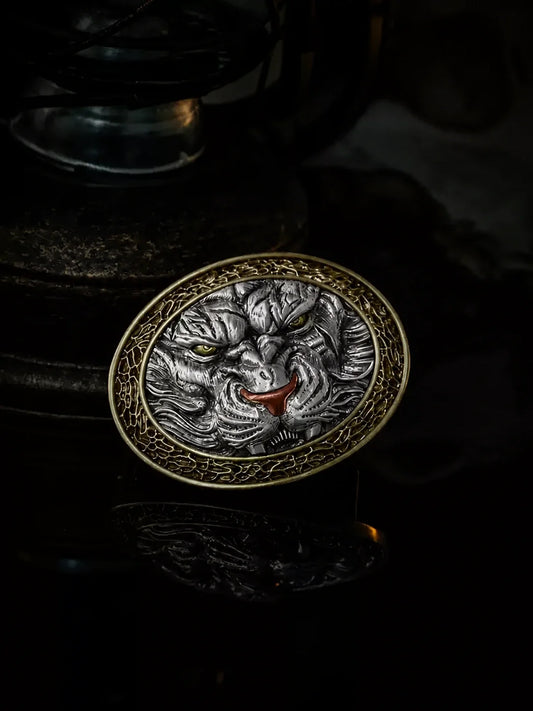
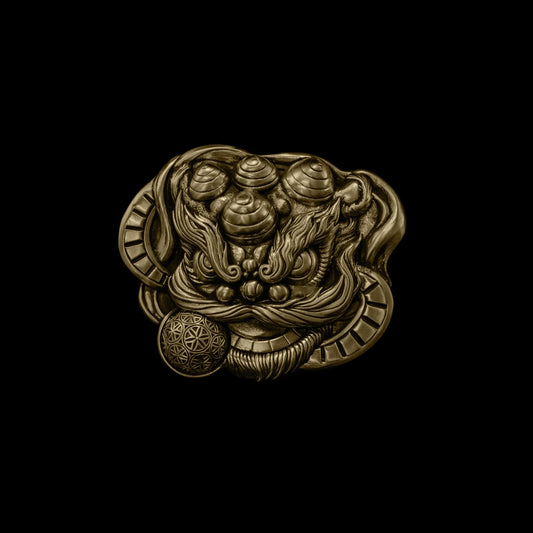
How to Choose a Biker Belt Buckle as a Gift
Sep 13 2026
How to Clean and Care for Biker Belt Buckles
Sep 13 2026
Biker Belt Buckle Attachment Systems Explained
Sep 13 2026
Biker Belt Buckle Size and Weight Guide
Sep 13 2026