Ride to Work Week 2026: A Motorcycle Club Commuter Check-In Plan
Direct answer: A motorcycle club should treat Ride to Work Week as coordinated independent commuting, not a peak-hour convoy. Use a 5–2–1 Commuter Check-In: five personal readiness checks before departure, two minimal status updates, and one social meetup only after motorcycles are parked and engines are off.
The Motorcycle Council of NSW has scheduled Ride to Work Week for 26–30 October 2026 as part of Motorcycle Awareness Month. Its event page describes the campaign as an effort to encourage motorcycling as a viable, efficient and practical daily commuting alternative. That creates a clear club opportunity: help members prepare for ordinary weekday journeys without turning the campaign into an unofficial organized road event.
The distinction matters. A commute involves different start points, work times, traffic conditions, parking rules and personal fatigue levels. The club can coordinate readiness and confirm arrival, but each rider remains responsible for deciding whether to ride, selecting a legal route, following road rules, wearing appropriate protective equipment and responding to conditions. This independent guide is not affiliated with the Motorcycle Council of NSW, the NSW Government, any employer or any motorcycle manufacturer.
- 5 checks: rider, motorcycle, protective gear, route and carried load.
- 2 check-ins: optional departure status and private arrival confirmation.
- 1 meetup: a stationary workplace, café or club check-in after parking.
Why Ride to Work Week should not become a club convoy
A rally departure has a common muster point, a shared itinerary and an event organizer. A weekday commute usually has none of those. Asking members to converge on one peak-hour route can add detours, time pressure and unfamiliar group dynamics to a journey that each rider already knows. The better club model is synchronized participation: members choose whether their own commute is suitable, travel independently, and join the social element only when stationary.
This does not prohibit two friends from meeting where lawful and sensible. It simply removes convoy completion as the measure of success. A member who takes public transport because of fatigue, poor weather, a mechanical concern or an unsuitable work schedule has made a valid decision. The campaign is stronger when the club normalizes an honest no-go call.
The Motorcycle Council of NSW invites riders to take part during the published week and submit a rider-and-motorcycle photo through its own process. Follow the organizer's current terms for any official promotion. A club may separately organize a workplace photo or coffee meet, but it should not copy campaign branding, promise prizes or imply that its meetup is an official MCC of NSW activity.
The 5 personal checks before departure
1. Rider: fit to commute now, not merely willing
Start with the rider, not the motorcycle. A familiar commute can still be unsuitable after poor sleep, illness, medication, alcohol, emotional distraction or an unusually demanding shift. Wentworth Shire Council's 15 October Motorcycle Awareness Month reminder specifically asks riders to consider whether fatigue, medication, illness or other factors may affect riding.
Use a private green, amber or red self-check. Green means the rider is rested and focused. Amber means delay, reassess or change the travel plan. Red means do not ride. The club does not need the member's medical details; it only needs to make withdrawal socially acceptable.
2. Motorcycle: check the systems that matter on city streets
NSW Government guidance identifies the motorcycle's condition as one factor the rider can control. Before leaving, check tyre condition and pressure, brakes and controls, lights, horn, chain or final-drive condition as applicable, mirrors, fuel and oil. Use the motorcycle manufacturer's instructions for exact inspection and adjustment procedures.
This is a pre-departure observation, not a club-issued mechanical certificate. A leak, damaged tyre, abnormal control feel, warning light or uncertain repair is a reason to stop and obtain qualified help. Ride to Work Week does not make a questionable motorcycle ready for traffic.
3. Protective gear: keep custom apparel in the correct role
NSW Government guidance says riders should wear a well-fitting approved helmet and purpose-made protective clothing for every journey, and it points riders to independent CRASH helmet information and MotoCAP clothing ratings. A custom club vest, performance T-shirt or ordinary branded layer does not become impact or abrasion protection because it carries a club Logo.
Build club identity around the protective system rather than displacing it. Any extra layer must preserve helmet fit, head movement, vision, control reach and ventilation. If a custom item has no verified protective specification, describe it as club apparel only.
4. Route and conditions: check the trip you will actually make
Review weather, road and traffic conditions before departure. NSW Government guidance for city riding highlights changing surfaces, road works, buses, pedestrians, wet leaves, gravel, painted markings and steel surfaces. It also recommends maintaining a three-second following distance in normal conditions and increasing it in poor conditions.
Plan the legal entrance to the workplace, secure motorcycle parking and a low-conflict place to remove riding gear. If the normal parking area is closed or the planned meetup would obstruct pedestrians, loading zones or emergency access, relocate the social activity instead of improvising in traffic.
5. Carried load: secure work items before the engine starts
Laptops, lunch containers, shoes, uniforms and rain layers can change a normal commute. Put them in luggage designed and secured for the motorcycle; keep straps, cables and loose fabric away from wheels, controls, suspension and hot surfaces. Confirm the load does not block lights or affect steering.
Do not ask members to carry a club banner, mug, photo prop or change of apparel loose on the motorcycle. Transport off-bike event items separately or leave them at the destination in advance. The campaign moment is not worth creating an unstable load.
The 2 check-ins: enough accountability without live tracking
Check-in one: optional departure status
Use a private club channel and three short choices: riding, using another mode or not participating today. Do not require a live map, exact home address, route screenshot or public departure time. The purpose is to know who opted into the club activity, not to monitor members.
Check-in two: arrived, delayed or stood down
Members send one arrival status after they are parked and off the motorcycle: arrived, delayed but safe or stood down. A delayed rider should stop safely before communicating. No one should type, photograph or update the club while moving.

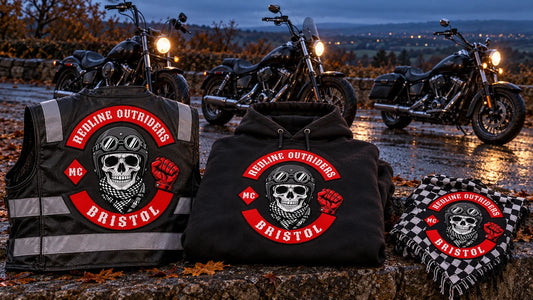
Coordinate Custom Reflective Club Vests
A custom reflective vest can make the stationary check-in contact easier for members to find in an approved parking area. It does not create traffic-control authority, event-official status or a protective-performance claim. Keep role wording neutral, obtain permission for Logo use and verify any material or visibility specification with the actual supplier evidence.
The 1 meetup happens only after motorcycles are parked
Choose one lawful, permission-based location: an employer-approved parking area, nearby café or club facility. Set a short time window so members with different shifts can participate without rushing. The coordinator should state that arriving late is acceptable and that nobody should speed, filter unlawfully or skip a safety check to reach the photo.
Park first, shut the engine down, secure the motorcycle and remove the helmet before the social activity begins. Keep aisles, accessible spaces, footpaths, loading zones and emergency access clear. Ask before photographing coworkers, registration plates, security systems or employer information. If the club submits anything to the official campaign, use the organizer's current submission link and terms rather than assuming a club post is an entry.

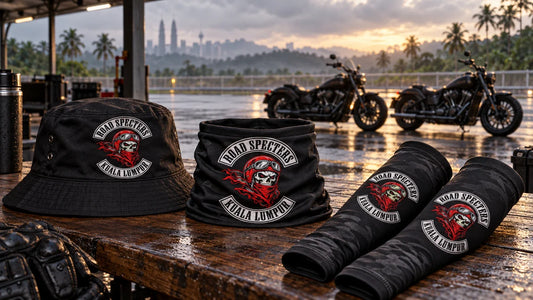
Design Off-Bike Performance Club Shirts
A performance T-shirt can support the parked-bike workplace identity layer. It should not be presented as a substitute for an approved helmet, protective jacket, pants, gloves or boots. Keep the shirt for the destination, or wear it only where it does not compromise the rider's purpose-made protective gear.
A 72-hour club preparation sequence
72 hours before the chosen participation day
- Link members to the official Ride to Work Week page and current terms.
- Confirm the private check-in channel and delete unnecessary personal data.
- Obtain permission for the destination meetup, parking and photography.
- Ask members to resolve tyre, brake, light or maintenance concerns before commute morning.
The evening before
- Review weather, road works, traffic and parking access.
- Pack work items in secure motorcycle luggage and test the loaded configuration.
- Lay out the approved helmet and purpose-made protective gear.
- Choose a non-riding alternative in advance if sleep, weather or motorcycle condition is doubtful.
Commute morning
- Run the five checks and make an independent go/no-go decision.
- Send the optional departure status before moving.
- Ride the normal lawful commute without trying to form or preserve a club convoy.
- Send the arrival status only after parking and shutting down.
At the parked-bike meetup
- Keep the gathering within the approved space and time window.
- Separate campaign apparel and photo props from motorcycle protective equipment.
- Record only opted-in participants and avoid exposing workplace or personal information.
- Share the official campaign link with any member who wants to enter its promotion.

A custom club mug belongs at the destination, not on the moving motorcycle. It can mark the off-bike coffee or check-in table after members have parked. Confirm the employer or venue allows the meetup, keep hot drinks away from motorcycles and electrical equipment, and never treat a social item as a reason to rush the commute.
Printable 5–2–1 Ride to Work Week checklist
| Gate | Confirm | Stop or revise when |
|---|---|---|
| Rider | Rested, focused and unaffected by illness, medication, alcohol or distraction | Any factor makes concentration or judgment uncertain |
| Motorcycle | Tyres, brakes, controls, lights, horn, mirrors, drive, fuel and oil checked | Damage, leak, warning light or abnormal operation appears |
| Protective gear | Approved helmet and purpose-made riding gear fit and function | Club apparel displaces or interferes with protective gear |
| Route | Weather, traffic, road works, parking and arrival access reviewed | Conditions or timing make the chosen trip unsuitable |
| Load | Work items secure and clear of controls, wheels, lights and heat | Anything is loose, unstable or needs hand-carrying while riding |
| Check-ins | Status shared only before departure and after parking | The system asks for interaction while moving or unnecessary tracking |
| Meetup | Permission, location, time, privacy and clear access confirmed | The gathering obstructs work, pedestrians, parking or emergency access |
Fact and recommendation boundary: the published 26–30 October dates, campaign description and NSW rider guidance are facts from the linked sources. The 5–2–1 framework, private status labels, 72-hour sequence and independent-commute model are editorial recommendations created for motorcycle-club operations. They do not replace Australian or NSW law, employer rules, manufacturer instructions, certified rider training or professional safety advice.
Frequently asked questions
When is Ride to Work Week 2026 in NSW?
The Motorcycle Council of NSW lists Ride to Work Week from Monday 26 October through Friday 30 October 2026, in the Australia/Sydney time zone.
Should a motorcycle club ride to work as one convoy?
Not by default. Different homes, shifts, routes and traffic conditions make independent commuting the lower-complexity club model. Members can share readiness and arrival status, then meet after motorcycles are parked.
What should a rider check before a work commute?
Check personal fitness, tyres, brakes, controls, lights, horn, mirrors, drive condition, fuel, oil, approved helmet, protective clothing, weather, traffic, parking and the security of every carried item.
Can a custom performance T-shirt replace motorcycle protective gear?
No. Unless a specific garment has independently verified motorcycle-protective performance, treat it as club apparel. It does not replace an approved helmet or purpose-made protective jacket, pants, gloves and boots.
Does a reflective club vest make someone a traffic marshal?
No. A club vest may help members identify a stationary check-in contact, but it does not create traffic-control authority, event-official status or a safety certification.
What information should the club collect?
Use the minimum needed for the activity: an opt-in name or member identifier and one arrival status. Do not require exact home addresses, live routes, medical details or public location tracking.
Sources checked October 22, 2026
- Motorcycle Council of NSW, Motorcycle Awareness Month 2026 and Ride to Work Week.
- Motorcycle Council of NSW, Ride to Work Week event page.
- NSW Government, Motorcyclist safety.
- Wentworth Shire Council, Motorcycle Awareness Month: prepare before you ride, published 15 October 2026.
MotorClubShop is not affiliated with the Motorcycle Council of NSW, the NSW Government, Wentworth Shire Council, Ride to Work Week, any employer, Harley-Davidson or any motorcycle club shown in the original imagery. Images are original editorial concepts using an authorized club-logo reference. Product links lead only to custom Collection pages.
Etiquetas:
Anterior
Halloween Motorcycle Ride 2026: A Motorcycle Club Costume Safety Checklist
Siguiente
Malaysia MotoGP 2026: A Motorcycle Club Heat, Rain & Arrival Plan