

How to Clean and Care for Biker Pendants
Clean biker pendants by first identifying the metal, finish, stones and moving parts. For many sterling-silver pieces, start with a dry soft cloth and use only a mild, material-appropriate method when needed. Avoid harsh chemicals, abrasive tools, long soaking and aggressive polishing that can remove intentional oxidation or damage stones and contrasting finishes.
Begin with dry inspection and dust removal
Check the bail, edges, recesses and connectors before cleaning. Use a clean microfiber or jewelry cloth with light pressure. If a part feels loose, stop and arrange professional inspection rather than cleaning around a failing joint.

A textured sterling-silver design: use light pressure around recesses and inspect the pointed edge and bail.
Preserve intentional darkened detail
Oxidized areas are often part of the design. Do not polish every dark recess until it is bright. Work only on raised surfaces when appropriate and follow the product’s finish-specific guidance.

A high-relief sterling-silver pendant where controlled polishing helps preserve contrast.
Use stone-safe care for set pendants
Natural stones may react differently from metal and may have inclusions or color variation. Avoid ultrasonic or steam cleaning unless a qualified jeweler confirms the stone and setting are suitable. Do not soak glued or uncertain settings.

A labradorite pendant requiring attention to the stone, claws, connector and surrounding silver finish.
Clean textured surfaces without scraping
Use a very soft brush only when the listing’s care guidance permits it. Scraping with pins or hard tools can mark silver and loosen finish in deep texture. Rinse minimally when allowed and dry completely.

A textured cross for checking recessed detail, raised edges and the selected chain configuration.
Keep chemicals away from aged finishes
Chlorine, bleach, household cleaners, perfumes and some dips can alter silver, plating and deliberate patina. Put the pendant on after lotions or fragrance have dried, and remove it before swimming or cleaning.

An aged axe design where gentle cleaning should maintain rather than erase the intended finish.
Inspect contrasting metals and connection points
Mixed-color details may use different materials or surface treatments. Avoid assuming one polish suits every area. Check the bail and joints after cleaning, and make sure no moisture remains in seams.

A contrasting spiral pendant for inspecting the warm-toned bail, oxidized recesses and connections.
Safe care sequence
- Confirm the metal, stone, finish and included chain.
- Inspect for loose stones, open bails or damaged joints.
- Wipe with a clean, dry, soft cloth.
- Use only a mild method approved for every material present.
- Dry the pendant completely, including recesses.
- Store it separately in a dry pouch or compartment.
Storage and routine maintenance
| Risk | Prevention |
|---|---|
| Scratches | Store separately from harder jewelry |
| Tarnish | Keep dry and wipe after wear |
| Chain tangles | Fasten chains before storage |
| Loose connectors | Inspect movement and bail gaps regularly |
| Finish damage | Avoid abrasive polish and harsh chemicals |
Frequently asked questions
Can I use toothpaste on a silver pendant?
It can be abrasive. Use a method specifically recommended for the pendant’s metal and finish.
Should I remove all dark color from sterling silver?
No. Dark recesses may be intentional oxidation that defines the design.
Can biker pendants go in an ultrasonic cleaner?
Not automatically. Stones, settings, finishes and articulated parts may be unsuitable; ask a qualified jeweler.
How often should I clean a pendant?
Wipe after wear as needed and use deeper cleaning only when required and safe for its materials.
Materials, images, care guidance and availability verified against active Motor Club Shop listings on September 13, 2026. Current product pages remain the final care reference.
タグ:
以前の
Budget vs Premium Biker Pendants: What Changes with Price
次へ
Budget vs Premium Biker Necklaces: What Changes with Price
関連記事
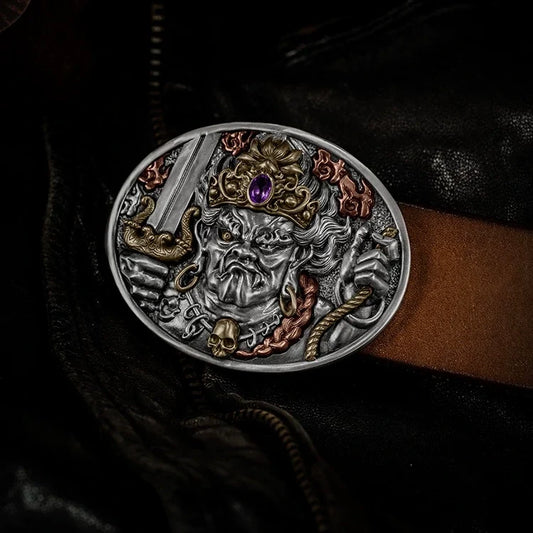
How to Change a Biker Belt Buckle Safely
Sep 13 2026
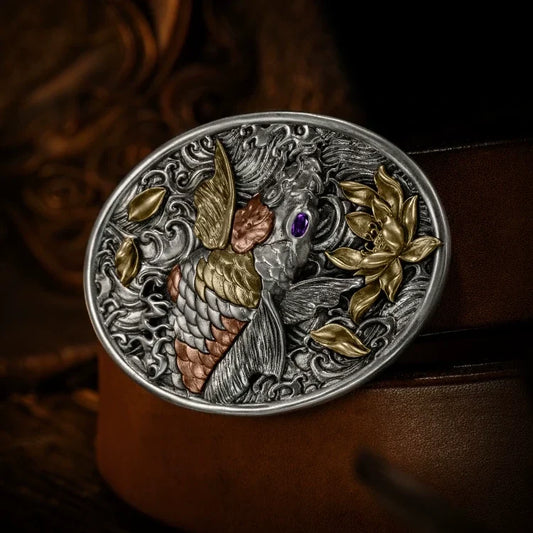
How to Wear Large Biker Belt Buckles Comfortably
Sep 13 2026
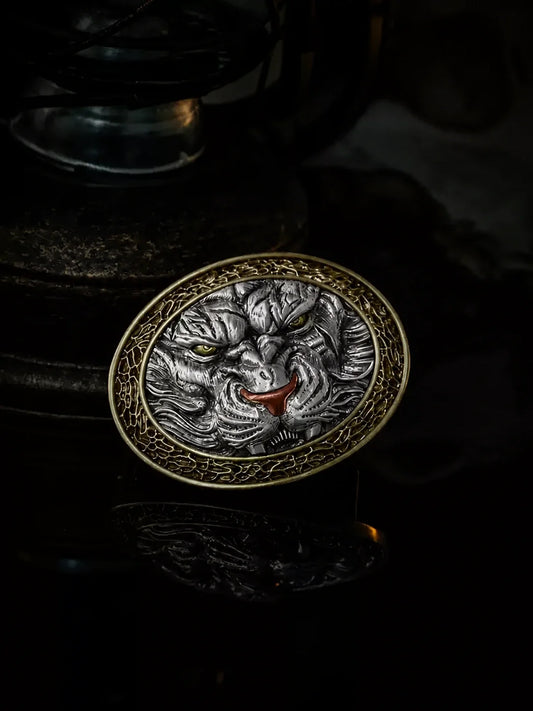
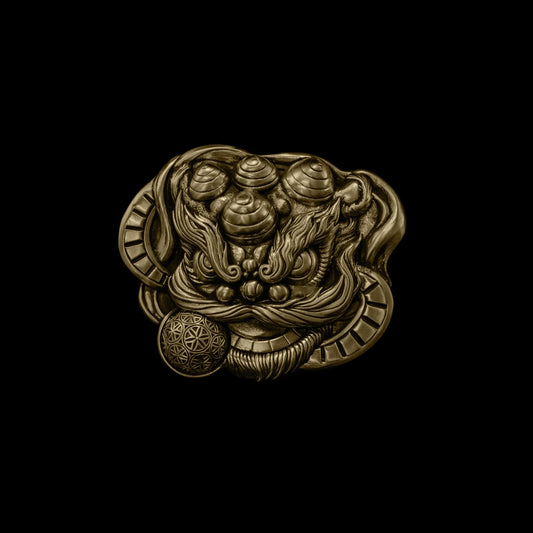
How to Choose a Biker Belt Buckle as a Gift
Sep 13 2026
How to Clean and Care for Biker Belt Buckles
Sep 13 2026
Biker Belt Buckle Attachment Systems Explained
Sep 13 2026
Biker Belt Buckle Size and Weight Guide
Sep 13 2026